
Shells for Palestine: a meditation on symbolism, connection and love
As well as being a sustainability strategist, I’m a huge lover of the sea. I’m drawn to it, feel at home in and by it and even have a tattoo (my first at age 49) inspired by it. When I’m at the beach, I am drawn to shells and pebbles and sketch them when I’m doodling.
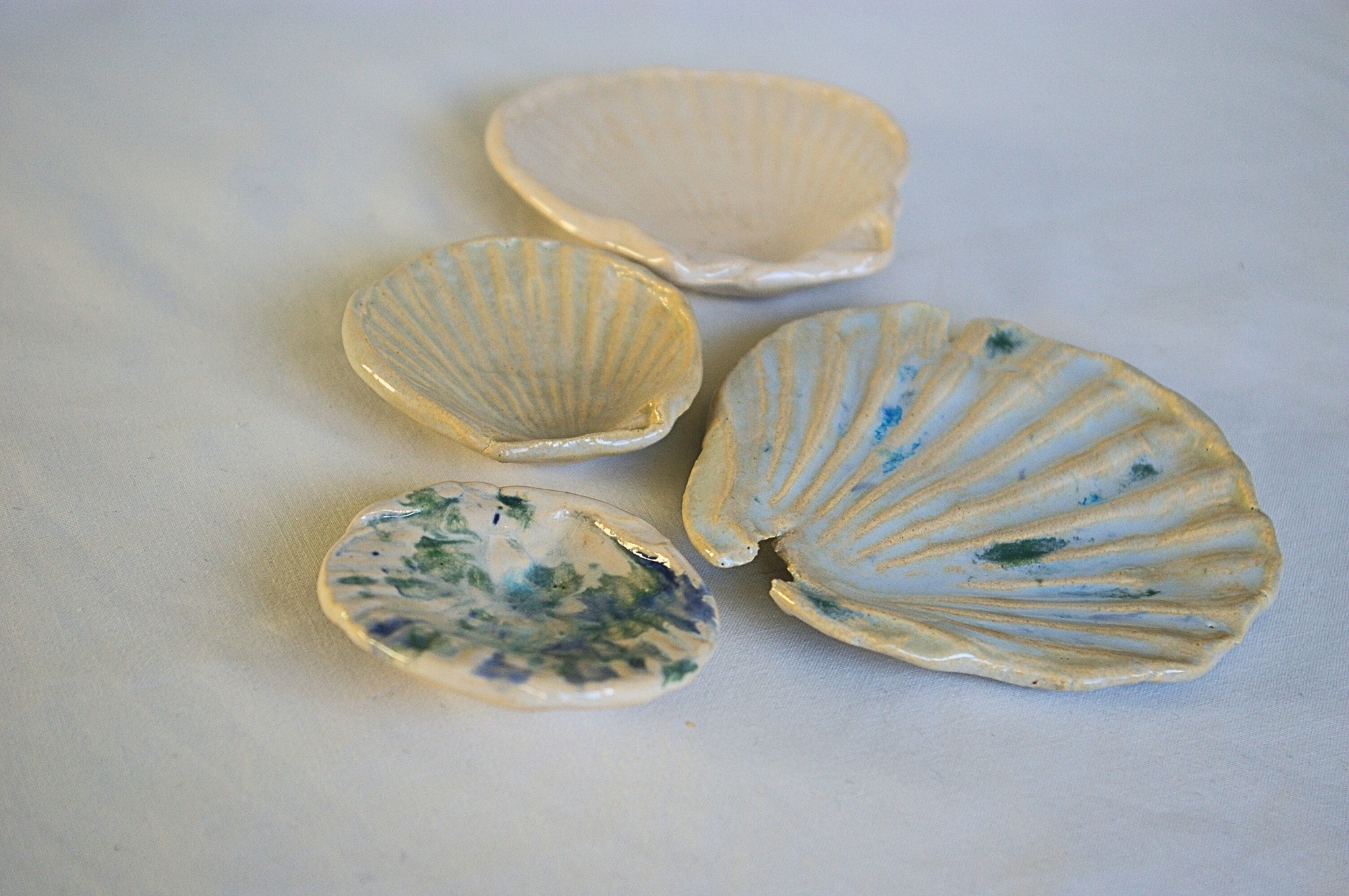
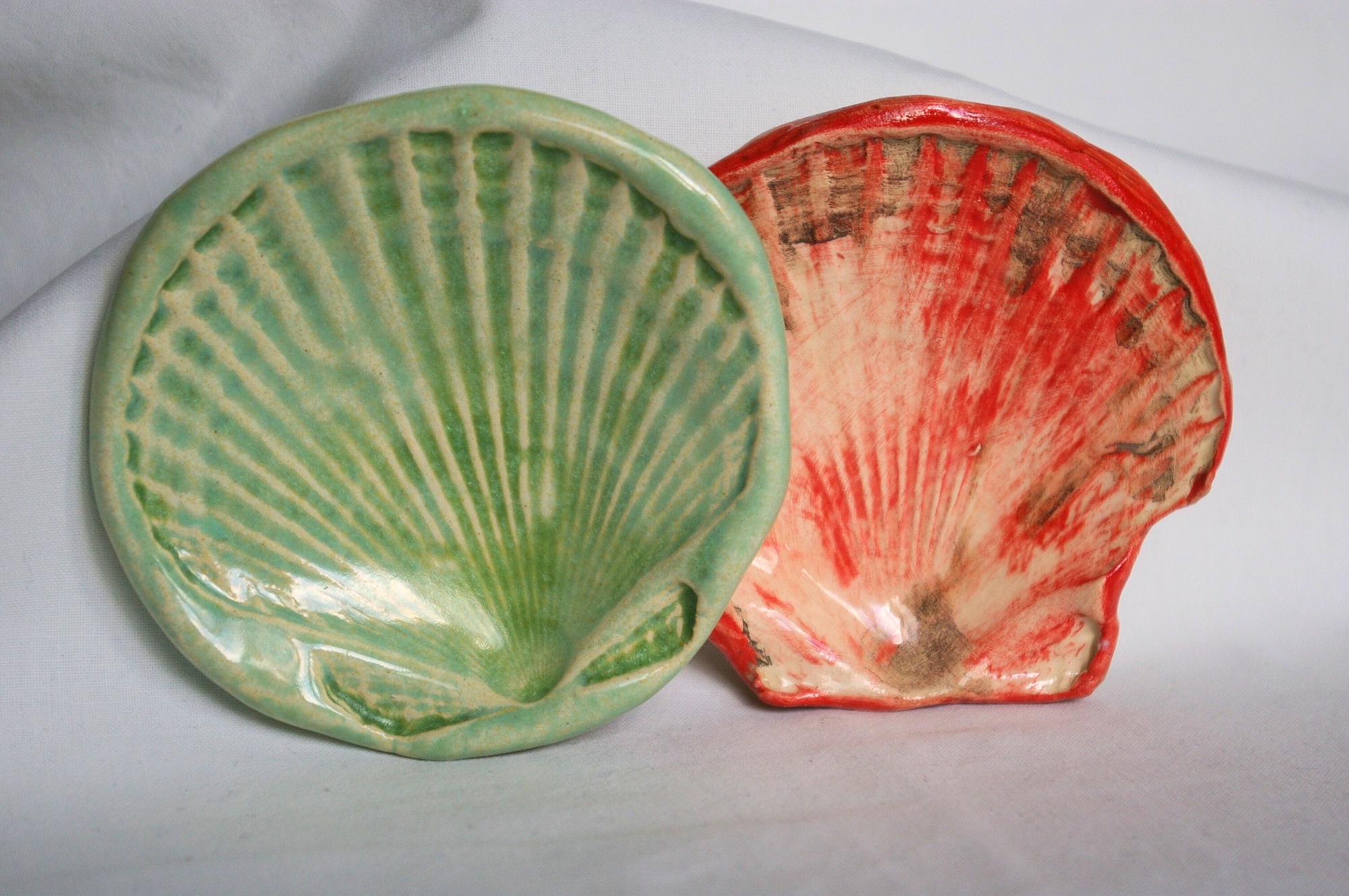
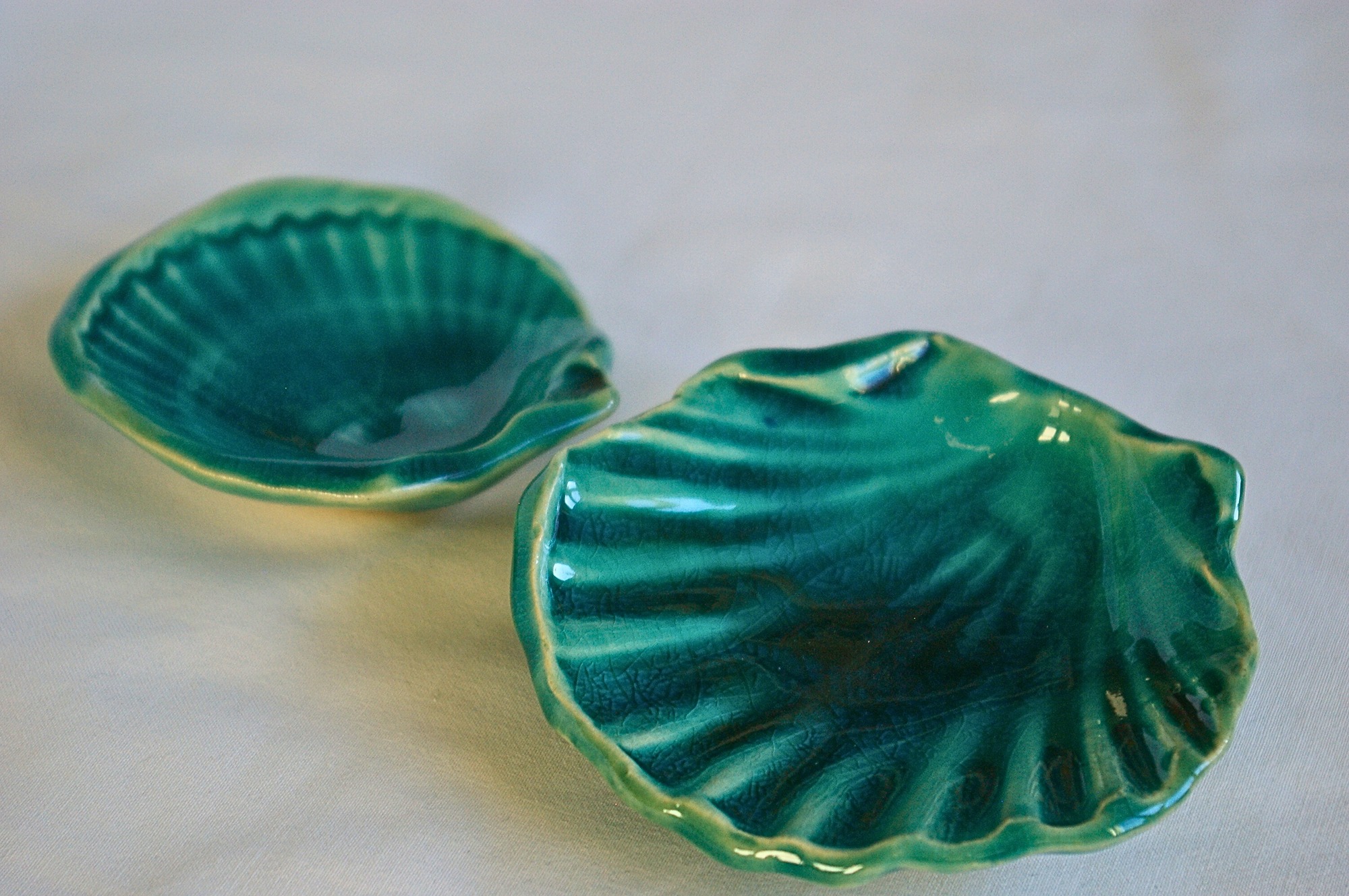
I’m also an amateur potter. As a young child I always loved playing in mud, became an archaeologist as a young adult and then many years later discovered the meditative joy of potting. My home and garden are full of shells, stones and ceramics. So, when I decided to do something tangible about my response to the suffering of people in Gaza, it was almost inevitable that these two loves would come together in my action. Over the last few months I’ve been creating ceramic shells with the intention of gifting them to people in return for a financial donation to Medical Aid for Palestinians.
As well as giving me a sense of agency and purpose, this led me to think about what shells symbolise over time and cultures. I knew that the scallop shell is the symbol of pilgrimage to Santiago de Compostela and I began to wonder whether there was a link with the original Christian pilgrimage destination of Jerusalem. My wanderings on the internet informed me that Palestinian people were artisans in carving beautiful and intricate mother-of-pearl pilgrimage tokens from Red Sea shells for Christian pilgrims to Jerusalem and Bethlehem.
Shells have been used in art and religious symbolism and accoutrements for millennia across the globe and were used as practical domestic items by the earliest people. They are seen as a symbol of love and protection and give us an immediate and profound connection to nature and the sea. Throughout time people seem to have had a universal connection to small treasures found in woodlands, rivers and by the sea.
A core element of the transatlantic slave trade, the cowrie shell was both an important form of currency and revered as a potent charm for good luck and protection in Africa. They were sewn into garments, worn as amulets and put on altars for protection. In Japan and Southeast Asia a conch is an important Buddhist symbol and seen as a metaphor for Buddha’s teachings and enduring essence. The resonance of a conch echo being linked to the dissemination of the Dharma across the globe.
In pre-Christian and Christian western iconography, shells have been seen as a symbol of fertility, protection and isolation. They are evidence of growth and transformation and remind us that we are all connected and codependent. Instantly connecting us to nature, each other and the wider world.
In light of my musings and discoveries, it feels right to use shells to send out a message of hope, love and protection to the people of Gaza. They are drawing on resilience and coping with displacement, while still experiencing the human need for beauty and connection even in crisis. Small items like shells, pebbles and leaves help to connect them to beauty and nature as much as they do us.
All donations made to the fundraiser will go directly to Medical Aid for Palestinians to help them support and protect the people of Gaza and the West Bank. If you’d like to find out more about this project, get in touch.
I gathered shells upon the sand, each shell a little perfect thing, so frail, yet potent to withstand the mountain-waves' wild buffeting
Comments