National Emergency Briefing - what you need to know
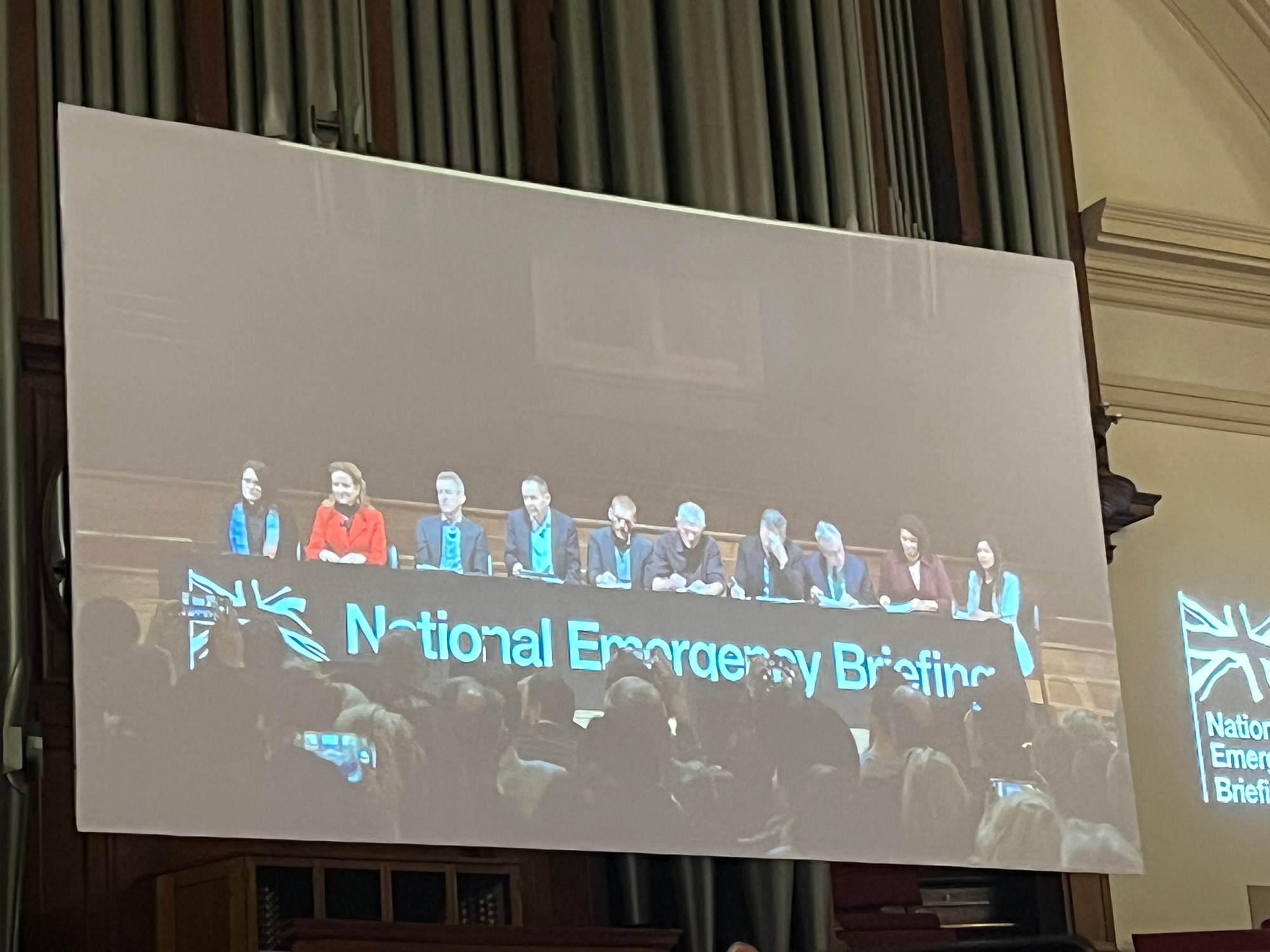
On Thursday 27 November more than 1,200 people including MPs, concerned citizens, celebrities and activists came together to hear from ten of the UKs leading academics and experts covering all areas of climate science and economic policy in a National Emergency Briefing at Westminster Central Hall.
The message from the experts was clear, we are in a national and global emergency, our lives are at risk, and we have no time left to deal with the social and environmental crises that we are living through.
At the briefing we heard all about the challenges we face, and we were given the solutions we need to adopt to address climate and social injustice. We saw how easily these solutions can be adopted, and what a massive positive effect they will have on all our lives, health, wellbeing and the financial and political stability of all households in the UK.
The core evidence and solutions from the experts (including Chris Packham, Prof Mike Berners-Lee, Prof Nathalie Seddon, Prof Kevin Anderson, Prof Hayley Fowler, Prof Tim Lenton, Prof Paul Behrens, Prof Hugh Montgomery, Lt Gen Richard Nugee, Angela Francis and Tessa Khan) were clear and simple.
Stop burning fossil fuels, shift to renewables
the fastest and in many ways easiest action for us to reduce climate heating, support natural resilience and slow biodiversity loss is to stop burning fossil fuels and shift to renewables. As a country we are already almost entirely energy self-sufficient from renewables, we have changed our gas supply system quickly and successfully in living memory and would create jobs where they are needed by making a full transition away from natural gas.
The cost of energy has had a direct link to every economic downturn in the UK over the last 50 years because of our reliance on external sources of fossil fuels. Every delay in the upfront investment needed to make a complete shift to renewables increases the cost. Acting now is fairer to ordinary people, will create jobs and lead to greater economic and political stability.
Our national infrastructure was designed and built for a climate we no longer have. Delays in acting on temperature increases risks a permanent threat to public health in the UK as well as potential dire weather effects.
Restore nature for social, environmental and financial benefit
we are at risk of flooding, infrastructure breakdown, food insecurity, damage to health and education, energy and finance destabilisation if we continue to degrade nature in the UK. Failing to put restoration at the heart of our economy will result in a massive GDP shock but if we consider nature as core component of our infrastructure (as already allowed under treasury guidance), stop funding harm and reward restoration, we can avoid these risks quickly while benefitting from increased human and natural wellbeing.
Increased pressure on global food supplies creates political and social instability. Adverse weather effects will result in an overall loss of a third of the land suitable for food production in the UK by end of century. Right now 40-50% of our food is imported from regions also affected by climate change. Failure to change how we eat, what we grow and how we grow it is likely to result in social unrest as a result of food insecurity. Research shows that a shift to plant-based diets, reduced food waste, and more regenerative production methods would result in the UK being mostly food self-sufficient, reduce costs to ordinary people and increase human and environmental health in the UK.
Climate change is the single biggest global health threat that we face this century. It is a major driver of disease and directly impacts on our susceptibility to health breakdowns. The social, environmental and economic impacts of stopping emissions and improving natural resilience now will increase our health, wellbeing and social and economic stability for the long-term. Not only this, but it will result in huge cash savings both to the NHS and the economy more broadly in a relatively short period of time.
Climate breakdown is a growing threat for both national and international security. And it multiplies existing threats and fuels international insecurity. The fact that change is happening faster and more severely than expected increases the threat and makes it more immediate. All actions that we take now make us stronger and limit social or economic impacts of the threat we currently face.
The benefits of urgent action far outweigh the costs of keeping business as usual. If we act now by committing as little as 0.2% of GDP to emissions reduction, the economic and social benefits would be felt by everyone in the UK. Any delay increases the risks and costs and the sacrifices we would have to make to get to a safe position. That means the poorest households would be positively affected by change now but waiting will mean everyone is worse off. Acting now means lower inflation, lower household bills, and lower food costs for everyone in the long and medium term, creates jobs and reduces inequality.
The evidence is overwhelmingly clear, we have the information we need to act with urgency for a safe liveable future for everyone in the UK. Continuing with business as usual instead of pulling ourselves into a future we can proudly tell our children and grandchildren we helped to create is nonsensical and dangerous. In the words of Chris Packham, we’re one species, with one planet, and one big problem. Luckily for us, the qualities we share as a species are the ones we need to employ to protect our only home: hope, imagination, curiosity, compassion and courage are needed and as a species we have that in abundance.
Evidence shows that more than 70% of people in the UK believe we must take action on climate change. We know that the action we need to take to reduce the harm already done and start to restore our planet is practical. It is realistic. It is better for the majority of people in the UK and the world. But we’re in a war of disinformation, and it’s time every one of us started to challenge and refuse to listen to and be paralysed by it.
The vested interests that keep us distracted from the real problems that we face as a species don’t care that their short-term gain from continuing with extractive practices are to the greater detriment of us as a species. We must stop letting them dominate the narrative. As humans, individuals, business leaders, politicians and activists, it’s time to speak to truth and refuse hate, division and lies. The cultural tipping point must start now, before any more of the planet’s tipping points are hit.
You can sign the letter to Keir Starmer and broadcasters here. If you want to take more direct action consider how you and your household could reduce meat consumption, consider the impact of your consumption and choices, and fact check your sources of information. If you’re a business leader, how can you amplify this message internally with your people and with your clients or customers? What can you do to reduce the impact of your business and start to operate in a way that supports the shift we need to make? Every action matters, and together they add up to the future we need. It is in our power to create the change we need to make if we make our voices heard.
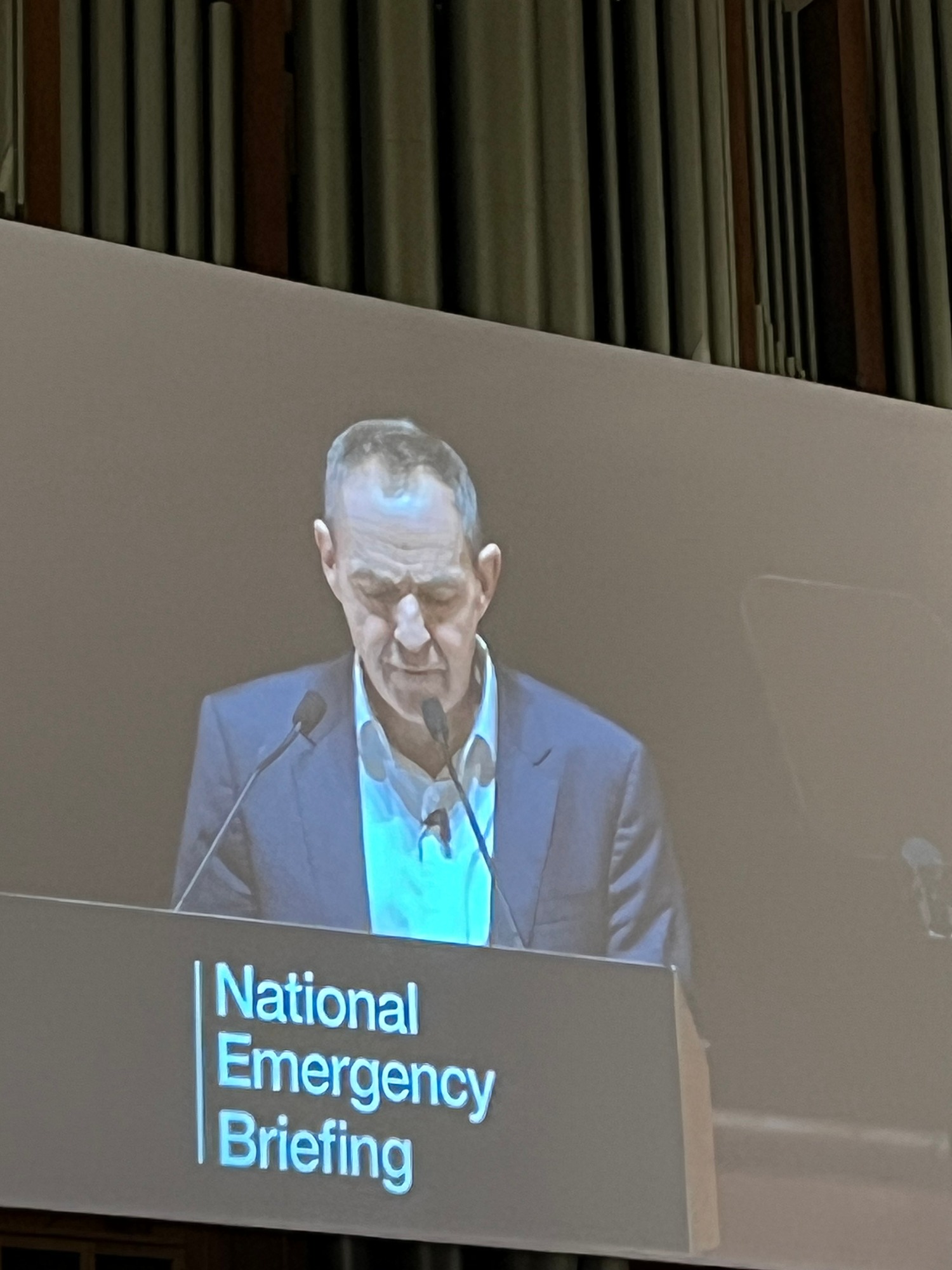
Misinformation has caused more damage than it should have been allowed to. Our power lies in action. We must all address and challenge disinformation and stop carrying on as if nothing needs to change. By being open and communicating truthfully the power of our influence will overwhelm the vested interests who want to preserve the status quo for their own political and financial gain. We need to listen to Mike Berners-Lee when he tells us to be brave, find our own strengths and face the challenge.
Comments